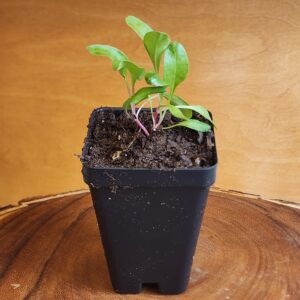
French Marigold – Sparky Mixture – Seedling

$3.00

In stock

Special Range Discount
Buy 4 or more – Save $0.50 per plant 4 + $0.50 flat
This item is selling fast!

🌱 Plant Special: All seedlings are $3 each or 4 for $10. Mix and match varieties — discount automatically applied in cart.

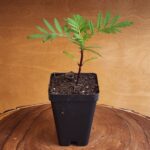
French Marigold Seedling in 2.5" black pot at Evermoon Acres
French Marigold – Sparky Mixture – Seedling
$3.00

The Vibrant “Garden Guardian” for Florida Landscapes

Every Florida garden needs a “workhorse,” and at our nursery, the Sparky Mixture French Marigold is exactly that. These aren’t your typical, fragile bedding plants; they are a rugged, ruffled explosion of gold, orange, and crimson bi-color blooms that bring immediate life to any landscape. We’ve carefully nurtured these seedlings in our local greenhouse to ensure they arrive in your garden with a robust root system, ready to handle the transition to our unique Florida soil and intense UV levels.

The Sparky Mix is particularly beloved for its medium-sized, crested flowers and its compact, bushy growth habit. Reaching a manageable 12 to 14 inches in height, they are the perfect size for “edging” vegetable beds or filling out decorative patio containers. Whether you are a seasoned horticulturalist or a first-time gardener, these French Marigolds offer a high-reward, low-maintenance experience that thrives across various planting windows.

A Natural Bio-Pesticide for Florida Successions

One of the primary reasons our local customers return for the Sparky Mix is its legendary status as a companion plant. Beyond their aesthetic beauty, French Marigolds are a vital tool in organic gardening, especially in Florida where pest pressures can be year-round. They produce a chemical called alpha-terthienyl, which helps repel root-knot nematodes—microscopic soil pests that can devastate the root systems of your prize-winning tomatoes and peppers.

Because our climate allows for nearly year-round gardening, we recommend succession planting these seedlings. By integrating fresh Sparky Marigolds whenever you start a new row of vegetables, you are building a natural, “living” defense system. Their pungent scent also acts as a deterrent for aphids and whiteflies, while their bright blooms attract beneficial predatory insects like hoverflies and ladybugs. Choosing the Sparky Mix means you aren’t just adding color; you are investing in the health of your entire garden ecosystem.

A Sanctuary for Local Pollinators

If your goal is to support Florida’s biodiversity, the Sparky Mix is a top-tier choice. The broad, open faces of these French Marigolds serve as a reliable landing pad for honeybees, bumblebees, and native butterflies. Because these plants are so prolific, they provide a consistent nectar source during the transitions between our major blooming seasons. In an era where pollinator habitats are shrinking, adding a row of these marigolds is a simple but powerful way to support your local environment.

Pro-Tips for Success in Our Humid Climate

While our technical care tables provide the basics, the key to a truly “spectacular” Sparky Marigold in Florida is deadheading. Because these plants are such heavy bloomers, they can occasionally spend too much energy on seed production. By pinching off the faded blooms once a week, you signal the plant to produce even more flower buds, ensuring a continuous blanket of color.

When you take these seedlings home, ensure they are planted in a spot that receives plenty of airflow to prevent powdery mildew during our humid spells. While they are incredibly drought-tolerant once established, giving them a deep soak at the root zone (rather than overhead watering) will keep the foliage a deep, healthy green and the ruffled blooms looking their best.

Why Buy From Our Local Nursery?

Unlike mass-produced plants found in “big-box” stores that have been shipped across state lines, our Sparky Mix seedlings are grown right here. They are already acclimated to our specific Florida humidity and temperature swings, meaning they won’t suffer the “transplant shock” common with commercially shipped plants. Visit us at the nursery to hand-pick the healthiest, most vibrant starts and give your garden the protective, colorful edge it deserves!
Plant Information

🌿 Plant Profile
Get to know your plant! This section covers the visual characteristics, growth habits, and regional heritage of this variety, helping you choose the perfect look for your landscape or food forest.
Native Status

Introduced / Non-Native

Native Regions

Non-US (Global)

Florida Ecosystem

Maritime, Prairies

Seed & Plant Heritage

Cultivar, Heirloom (50+ Years Old), Non-GMO, Open-Pollinated (OP)

Growth Habit

Bush, Mounding

Plant Height

1' – 3', 9" – 12"

Plant Width

1' – 3', 6" – 9", 9" – 12"

Foliage Color

Green

Flower Color

Bicolor (Two-tone), Gold, Orange, Red, Yellow

Fall Color

Green

IS Perennial

Annual (One growing season)

Foliage Type

Deciduous

Food Forest Layer

Herbaceous Layer, Soil Surface (Groundcover)

☀️ Climate & Environment
Ensure a perfect match for your yard. Here you'll find the specific sunlight, soil, and temperature requirements needed to help this plant thrive.
USDA Zones

Zone 10a, Zone 10b, Zone 11a, Zone 11b, Zone 2a, Zone 2b, Zone 3a, Zone 3b, Zone 4a, Zone 4b, Zone 5a, Zone 5b, Zone 6a, Zone 6b, Zone 7a, Zone 7b, Zone 8a, Zone 8b, Zone 9a, Zone 9b

Light Requirements

Full Sun

Daily Sunlight

6+ Hours (Full Sun)

Watering Frequency

Let Dry Out First, Weekly

Watering Amount

2 gallons per hour

Temperature Tolerance

High Heat Tolerant, Tender (Frost Sensitive)

Soil Type

Clay Soil, Loamy Soil, Poor Soil OK, Sandy Soil, Well-Draining Soil

Soil PH

Acidic Soil (5.5 – 6.5), Neutral / pH Balanced (6.5 – 7.5)

Preferred Soil Moisture

Drought Tolerant, Medium Water Needs, Well-Draining Preferred

Mulch Preference

Pine Bark / Pine Straw

Chill Hours Required

0 – 100 Hours

Daytime Temperature

70°F – 75°F (Mild), 75°F – 80°F (Warm), 80°F – 85°F (Warm)

Night Time Temperature

60°F – 65°F (Cool), 65°F – 70°F (Mild)

🌱 Sowing & Planting Guide
Timing is everything. Use these professional spacing and depth specifications, including Florida-specific planting windows, to give your seeds and transplants the best possible start.
Indoor Start Frost Offset

6–8 Weeks Before

Outdoor Plant Offset

1–2 Weeks After Last Frost

Planting Window (North FL)

April, August, March, September

Planting Window (Central FL)

February, March, October, September

Planting Window (South FL)

December, February, January, November, October

Days to Germination

10 days, 3 days, 4 days, 5 days, 6 days, 7 days, 8 days, 9 days

Germination Temperature

70°F – 75°F (Mild), 75°F – 80°F (Warm)

Germination Humidity

70% (High), 75% (High)

Germination Light

Light Neutral (Depth is Priority)

Planting Depth

1/4"

Plant Spacing

10" – 12", 6" – 8"

Row Spacing

12"

Square Foot Gardening (SFG)

4 per square

Garden System

Container / Grow Bag, In-Ground (Rows), Permaculture / Food Forest, Raised Beds, Square Foot Gardening

🩺 Care & Maintenance
Keep your garden thriving year-round. This guide provides the essentials on feeding, pruning, and pollination to ensure your plants stay healthy and productive through every season.
Growing Cycle

Cool Season (Winter), Shoulder Season (Spring/Fall), Warm Season (Summer)

Pruning Instructions

Deadheading, Pinching, Sanitary Pruning

Fertilization Schedule

As Needed, Monthly

Fertilizers

Balanced NPK, NPK + Micronutrients

Pollination Requirements

Self-Fertile / Self-Pollinating

Flowering Months

April, August, July, June, March, May, November, October, September

Pollinator Type

Bees (Honey & Native), Butterflies (Nectar Source), Generalist / Wildlife

🐛 Ecology & Pest Management
Garden with nature in mind. Discover which beneficial insects this plant attracts, which pests it repels, and how to manage common garden challenges using eco-friendly strategies.
Attracts (Beneficials)

Bees (Honey & Native), Butterflies (Nectar Source), Hoverflies (Pollinator/Predator), Lacewings (Pest Predators), Ladybugs (Aphid Predators)

Repels (Pests)

Aphids, Cabbage Moths, Deer, Mosquitoes, Nematodes, Rabbits, Squash Bugs, Whiteflies

Pest Resilience

Deer Resistant (Highly), Nematode Resistant, Pest Magnet / Trap Crop

Common Pests

Aphids, Slugs / Snails, Spider Mites, Thrips

Pest/Disease Management

Copper Fungicide, Insecticidal Soap, Neem Oil, Sulfur Fungicide

🍴 Harvest, Kitchen & Storage
From garden to table. Everything you need to know about when to harvest, which parts are edible, and how to store or preserve your homegrown bounty for the best flavor and freshness.
Edibility Status

Edible (Garnish/Herb)

Edible Parts

Flowers, Leaves, Petals

Days to Harvest from Seed

10 days, 11 days, 12 days, 13 days, 14 days, 15 days, 150+ days, 16 days, 17 days, 18 days, 19 days, 20 days, 21 days, 22 days, 23 days, 24 days, 25 days, 26 days, 27 days, 28 days, 29 days, 3 days, 30 days, 31 days, 32 days, 33 days, 34 days, 35 days, 36 days, 37 days, 38 days, 39 days, 4 days, 40 days, 41 days, 42 days, 43 days, 44 days, 45 days, 46 days, 47 days, 48 days, 49 days, 5 days, 50 days, 51 days, 52 days, 53 days, 54 days, 55 days, 56 days, 57 days, 58 days, 59 days, 6 days, 60 days, 61 days, 62 days, 63 days, 64 days, 65 days, 66 days, 67 days, 68 days, 69 days, 7 days, 70 days, 71 days, 72 days, 73 days, 74 days, 75 days, 76 days, 77 days, 78 days, 79 days, 8 days, 9 days

Harvest Season

Spring–Fall Harvest, Winter–Spring Harvest

Culinary Use

Beverage / Tea, Dried Spice, Garnish / Edible Flower

Storage Method

Dry/Dehydrate, Refrigerate (High Humidity)

Days of Freshness

4 days, 5 days, 6 days, 7 days

Preservation Method

Dehydrating, Oil / Alcohol Infusion

Days to Leaf Maturity

30 days, 31 days, 32 days, 33 days, 34 days, 35 days

🫘 Propagation & Seed Saving
Close the loop on your garden's lifecycle. Learn the best methods for collecting seeds and propagating new plants to ensure your garden continues to grow for years to come.
Propagation Methods

Cutting Propagation, Direct Sow, Transplant (Indoor Start)

Seed Collecting Method

Dry Pod / Seed Head, Hand-Stripped

Seed Life Span

2 Years (Average)

Days to Seed Maturity

80-100 days