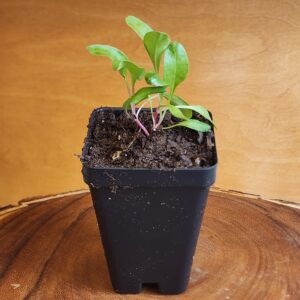
Basil Genovese – Seedling

$3.00

In stock

Special Range Discount
Buy 4 or more – Save $0.50 per plant 4 + $0.50 flat
This item is selling fast!

🌱 Plant Special: All seedlings are $3 each or 4 for $10. Mix and match varieties — discount automatically applied in cart.

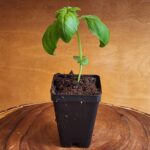
Basil Genovese Seedling in 2.5" black pot at Evermoon Acres
Basil Genovese – Seedling
$3.00

The Culinary “Gold Standard” for Florida Gardens

When it comes to the quintessential scent of a productive garden, nothing competes with Genovese Basil. At our nursery, we consider this variety the “crown jewel” of our herb collection. Originating from the Mediterranean, Genovese Basil is the authentic choice for traditional pesto, characterized by its large, “bullate” (wrinkled) leaves and a flavor profile that perfectly balances peppery spice with sweet anise. Our seedlings are started in high-quality organic soil and hardened off to ensure they are ready to transition seamlessly into your Florida garden beds, raised planters, or kitchen windowsills.

The beauty of the Genovese variety lies in its high concentration of essential oils. When you brush past a mature plant in the warmth of a Florida afternoon, the aroma is unmistakable—a rich, clove-like fragrance that is far more intense than any store-bought alternative. Because we grow these starts locally, they possess the vigor and sturdy stem structure needed to produce a massive harvest throughout our extended growing windows.

A Natural Partner for Florida Vegetable Successions

For the Florida gardener, Genovese Basil is more than just a kitchen staple; it is a powerhouse companion plant. There is an old gardening adage that “what grows together, goes together,” and nowhere is this truer than with basil and tomatoes. Not only do they pair perfectly on the plate, but growing them side-by-side in the soil is a strategic move. The basil’s strong scent helps mask host plants from common local pests like thrips and aphids, while its lush foliage helps provide a “living mulch” to keep soil temperatures regulated.

In our unique climate, basil acts as a fast-growing filler that thrives in the bright light where other herbs might struggle. By planting Genovese Basil among your peppers and tomatoes, you are creating a diverse garden bed that maximizes space and utilizes natural deterrent properties. Our seedlings are currently at the ideal age for transplanting, with established root systems that will anchor quickly into your soil.

Pro-Tips for a Perpetual Florida Harvest

The secret to a “bushy” basil plant rather than a leggy one is the art of the pinch. While our care tables provide the technical basics, we always tell our nursery customers: “Don’t be afraid to harvest!” Once your Genovese Basil reaches about six to eight inches in height, you should pinch off the top set of leaves just above a leaf node. This signals the plant to branch out into two stems rather than one, effectively doubling your yield with every snip.

Another critical tip for Florida is managing the “bolt.” As soon as you see the plant attempting to produce white flowers, pinch them off immediately. Once a basil plant flowers, its energy shifts from leaf production to seed production, which can make the leaves taste bitter. Because Florida can have sudden temperature shifts, we recommend succession planting—introducing new seedlings from our nursery every few weeks—to ensure you always have a fresh, sweet supply of young leaves ready for the kitchen.

Culinary Versatility: From Pesto to Infusions

In the kitchen, Genovese is the undisputed king of pesto, but its versatility is unmatched. Use the broad, tender leaves for fresh wraps, infuse them into simple syrups for summer cocktails, or chiffonade them over a homegrown margherita pizza. Because our seedlings are grown using sustainable, organic-minded practices without harsh chemical pesticides, you can harvest and enjoy your produce with total peace of mind.

Why Choose Our Locally Hardened Seedlings?

Big-box stores often sell basil that has been “forced” to grow too quickly under artificial conditions, leading to weak plants that collapse under the intensity of the Florida sun. Our Genovese Basil seedlings are grown slowly and naturally, resulting in a resilient plant that is already accustomed to our local humidity and UV levels. Visit us at the nursery today to pick up the freshest starts and begin your journey toward homegrown Italian flavors!
Plant Information

🌿 Plant Profile
Get to know your plant! This section covers the visual characteristics, growth habits, and regional heritage of this variety, helping you choose the perfect look for your landscape or food forest.
Native Status

Introduced / Non-Native

Native Regions

Non-US (Global)

Florida Ecosystem

Prairies

Seed & Plant Heritage

Cultivar, Heirloom (50+ Years Old), Non-GMO, Open-Pollinated (OP)

Growth Habit

Bush, Upright

Plant Height

1' – 3'

Plant Width

1' – 3'

Foliage Color

Green

Flower Color

White

Fall Color

Green

IS Perennial

Annual (One growing season)

Foliage Type

Deciduous

Food Forest Layer

Herbaceous Layer

☀️ Climate & Environment
Ensure a perfect match for your yard. Here you'll find the specific sunlight, soil, and temperature requirements needed to help this plant thrive.
USDA Zones

Zone 10a, Zone 10b, Zone 11a, Zone 11b, Zone 2a, Zone 2b, Zone 3a, Zone 3b, Zone 4a, Zone 4b, Zone 5a, Zone 5b, Zone 6a, Zone 6b, Zone 7a, Zone 7b, Zone 8a, Zone 8b, Zone 9a, Zone 9b

Light Requirements

Full Sun, Partial Sun

Daily Sunlight

4–6 Hours (Partial Sun), 6+ Hours (Full Sun)

Watering Frequency

As Needed, Daily, Every Other Day, Weekly

Watering Amount

1 gallon per hour

Temperature Tolerance

High Heat Tolerant (Thrives in 90°F+), Tender (Frost Sensitive – 32°F to 40°F)

Soil Type

Loamy Soil, Sandy Soil, Well-Draining Soil

Soil PH

Acidic Soil (5.5 – 6.5), Neutral / pH Balanced (6.5 – 7.5)

Preferred Soil Moisture

Medium Water Needs, Moist Soil Preferred, Well-Draining Preferred

Mulch Preference

Pine Bark / Pine Straw, Wood Chips / Arborist Mulch

Chill Hours Required

0 – 100 Hours

Daytime Temperature

75°F – 80°F (Warm), 80°F – 85°F (Warm), 85°F – 90°F (Hot), 90°F – 95°F (Hot)

Night Time Temperature

60°F – 65°F (Cool), 65°F – 70°F (Mild), 70°F – 75°F (Mild)

🌱 Sowing & Planting Guide
Timing is everything. Use these professional spacing and depth specifications, including Florida-specific planting windows, to give your seeds and transplants the best possible start.
Indoor Start Frost Offset

6–8 Weeks Before

Outdoor Plant Offset

1–2 Weeks After Last Frost

Planting Window (North FL)

April, August, March, May, September

Planting Window (Central FL)

April, August, February, March, October, September

Planting Window (South FL)

August, December, February, January, March, November, October, September

Days to Germination

10 days, 5 days, 6 days, 7 days, 8 days, 9 days

Germination Temperature

70°F – 75°F (Mild), 75°F – 80°F (Warm)

Germination Humidity

60% (Standard), 65% (Standard), 70% (High)

Germination Light

Needs Light to Germinate (Surface Sow)

Planting Depth

1/4", 1/8"

Plant Spacing

10" – 12"

Row Spacing

18" – 24"

Square Foot Gardening (SFG)

1 per square, 4 per square

Garden System

Container / Grow Bag, Hydroponic / Aquaponic, In-Ground (Rows), Raised Beds, Square Foot Gardening

🩺 Care & Maintenance
Keep your garden thriving year-round. This guide provides the essentials on feeding, pruning, and pollination to ensure your plants stay healthy and productive through every season.
Growing Cycle

Shoulder Season (Spring/Fall), Warm Season (Summer)

Pruning Instructions

Deadheading, Pinching, Sanitary Pruning

Fertilization Schedule

Bi-Weekly, Monthly

Fertilizers

Balanced NPK, Nitrogen (N) Focused

Pollination Requirements

Self-Fertile / Self-Pollinating

Flowering Months

August, July, June, September

Pollinator Type

Bees (Honey & Native), Butterflies (Nectar Source)

🐛 Ecology & Pest Management
Garden with nature in mind. Discover which beneficial insects this plant attracts, which pests it repels, and how to manage common garden challenges using eco-friendly strategies.
Attracts (Beneficials)

Bees (Honey & Native), Butterflies (Nectar Source)

Repels (Pests)

Aphids, Mosquitoes, Whiteflies

Pest Resilience

Deer Resistant (Moderate), Susceptible

Common Pests

Aphids, Caterpillars, Grasshoppers / Lubbers, Slugs / Snails, Spider Mites, Whiteflies

Pest/Disease Management

Bacillus thuringiensis (Bt), Diatomaceous Earth, Insecticidal Soap, Neem Oil, Potassium Bicarbonate

🍴 Harvest, Kitchen & Storage
From garden to table. Everything you need to know about when to harvest, which parts are edible, and how to store or preserve your homegrown bounty for the best flavor and freshness.
Edibility Status

Edible (Garnish/Herb)

Edible Parts

Buds, Flowers, Leaves, Stems

Days to Harvest from Seed

60 days, 61 days, 62 days, 63 days, 64 days, 65 days, 66 days, 67 days, 68 days

Harvest Season

All Year Harvest, Spring–Fall Harvest, Summer Harvest

Culinary Use

Beverage / Tea, Fresh Herb, Garnish / Edible Flower, Sauce / Paste Base

Storage Method

Countertop (Cool/Dry)

Days of Freshness

10 days, 7 days, 8 days, 9 days

Preservation Method

Dehydrating, Freezing, Oil / Alcohol Infusion

Days to Leaf Maturity

30 days, 31 days, 32 days, 33 days, 34 days, 35 days

🫘 Propagation & Seed Saving
Close the loop on your garden's lifecycle. Learn the best methods for collecting seeds and propagating new plants to ensure your garden continues to grow for years to come.
Propagation Methods

Cutting Propagation, Direct Sow, Transplant (Indoor Start)

Seed Collecting Method

Dry Pod / Seed Head, Hand-Stripped, Threshing / Winnowing

Seed Life Span

5+ Years (Exceptional)

Days to Seed Maturity

80-100 days