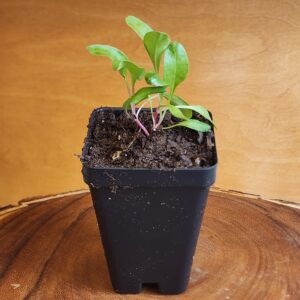
Kale – Lacinato (Dinosaur) Black Tuscan Kale – Organic – Seedling

$3.00

In stock

Special Range Discount
Buy 4 or more – Save $0.50 per plant 4 + $0.50 flat
This item is selling fast!

🌱 Plant Special: All seedlings are $3 each or 4 for $10. Mix and match varieties — discount automatically applied in cart.

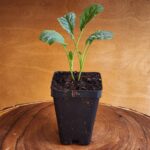
Kale Lacinato (Dinosaur) Black Tuscan Seedling in 2.5" black pot at Evermoon Acres
Kale – Lacinato (Dinosaur) Black Tuscan Kale – Organic – Seedling
$3.00

The Heirloom “Superfood” for Florida Successions

Among the vast world of leafy greens, Lacinato Kale—frequently called “Dinosaur Kale” or “Black Tuscan”—stands in a league of its own. At our nursery, we cultivate these organic seedlings to provide Florida gardeners with a robust, high-performance green that thrives across multiple planting windows. Recognizable by its dramatic, blue-green (almost black) puckered leaves, Lacinato is an Italian heirloom dating back to the 18th century. We’ve selected this specific strain for its remarkable ability to bridge the gap between Florida’s fluctuating humidity and our bright, sunny days.

Our organic Lacinato seedlings are nurtured with a focus on root-zone health, ensuring they are ready to anchor deeply into your garden beds or large containers. Whether you are a beginner looking for an “indestructible” green or a culinary enthusiast seeking the highest quality kale for raw salads and chips, these starts offer the perfect balance of ornamental beauty and productive vigor.

Engineered by Nature for Resilience

What makes Lacinato particularly valuable for the Florida grower is its structural resilience. The thick, “alligator skin” texture of the leaves is naturally more resistant to the pests that often plague smoother-leaf varieties. While other greens might wilt or become tattered, Lacinato maintains its upright, palm-tree-like growth habit, providing a steady vertical element to your garden design.

Furthermore, this variety is highly celebrated for its temperature versatility. While it is famously cold-hardy—with leaves actually becoming sweeter after a light chill—it also possesses a surprising degree of heat tolerance for a brassica. This makes it an ideal candidate for succession planting throughout much of the year. By integrating new seedlings every few weeks, you can ensure a continuous supply of tender, young leaves, avoiding the “toughness” that can occur in over-mature plants during warmer spells.

The Art of the Perpetual Harvest

One of the most rewarding aspects of growing Lacinato Kale is the “bottom-up” harvest method. As the plant grows, simply snap off the lowest, largest leaves, allowing the top “crown” to continue its upward journey. This method creates a miniature “kale forest” in your garden, where a single plant can provide weekly harvests for an extended period.

To maximize the growth of your organic seedlings, we recommend planting them in well-draining soil rich in organic compost. Because Florida’s sandy soil can be prone to nutrient leaching, a regular application of nitrogen-rich organic fertilizer will help maintain that deep, dark pigment that signifies a nutrient-dense leaf. When planted in full sun to partial shade, these seedlings will quickly become the backbone of your edible landscape.

Culinary Versatility: From Kale Chips to Green Smoothies

In the kitchen, Lacinato is preferred by chefs over “curly” kale for its more delicate, nutty flavor and tender texture. It lacks the bitter edge found in many other varieties, making it the premier choice for raw kale salads—especially when “massaged” with a bit of olive oil and lemon. It is also the legendary base for Ribollita (Tuscan bean soup) and is widely considered the best variety for baking crispy, homemade kale chips. Because our seedlings are grown 100% organically, you can harvest these leaves with the confidence that you are providing the cleanest, most nutrient-rich produce for your family.

Why Choose Our Locally Hardened Seedlings?

Starting from seed in a variable climate can be a gamble. Our Lacinato Kale seedlings give you a four-to-six week head start, bypassing the delicate germination phase where most losses occur. Our starts are “hardened off” to local UV levels, meaning they can handle the transition to your garden without the shock common in “big-box” alternatives. Visit our nursery to hand-select your organic Black Tuscan starts and bring a piece of Italian garden history to your Florida backyard!
Plant Information

🌿 Plant Profile
Get to know your plant! This section covers the visual characteristics, growth habits, and regional heritage of this variety, helping you choose the perfect look for your landscape or food forest.
Native Status

Introduced / Non-Native

Native Regions

Non-US (Global)

Florida Ecosystem

Prairies

Seed & Plant Heritage

Cultivar, Heirloom (50+ Years Old), Non-GMO, Open-Pollinated (OP), Organic Certified

Growth Habit

Upright

Plant Height

1' – 3'

Plant Width

1' – 3'

Foliage Color

Black / Near-Black, Blue, Green

Flower Color

Yellow

Fall Color

Black / Near-Black, Blue, Green

IS Perennial

Biennial (Two-year life cycle)

Foliage Type

Deciduous

Food Forest Layer

Herbaceous Layer

☀️ Climate & Environment
Ensure a perfect match for your yard. Here you'll find the specific sunlight, soil, and temperature requirements needed to help this plant thrive.
USDA Zones

Zone 10a, Zone 10b, Zone 11a, Zone 11b, Zone 2a, Zone 2b, Zone 3a, Zone 3b, Zone 4a, Zone 4b, Zone 5a, Zone 5b, Zone 6a, Zone 6b, Zone 7a, Zone 7b, Zone 8a, Zone 8b, Zone 9a, Zone 9b

Light Requirements

Full Sun, Partial Sun

Daily Sunlight

4–6 Hours (Partial Sun), 6+ Hours (Full Sun)

Watering Frequency

Every Other Day, Weekly

Watering Amount

1 gallon per hour

Temperature Tolerance

Hardy (Hard Freeze – Below 28°F)

Soil Type

Loamy Soil, Sandy or Clay OK, Well-Draining Soil

Soil PH

Acidic Soil (5.5 – 6.5), Neutral / pH Balanced (6.5 – 7.5)

Preferred Soil Moisture

Medium Water Needs, Moist Soil Preferred

Mulch Preference

Pine Bark / Pine Straw, Wood Chips / Arborist Mulch

Chill Hours Required

0 – 100 Hours

Daytime Temperature

50°F – 55°F (Cool), 55°F – 60°F (Cool), 60°F – 65°F (Cool), 65°F – 70°F (Mild)

Night Time Temperature

32°F – 50°F (Cold), 50°F – 55°F (Cool)

🌱 Sowing & Planting Guide
Timing is everything. Use these professional spacing and depth specifications, including Florida-specific planting windows, to give your seeds and transplants the best possible start.
Indoor Start Frost Offset

6–8 Weeks Before

Outdoor Plant Offset

4–6 Weeks Before Last Frost, On Last Frost Date

Planting Window (North FL)

December, February, January, November, October, September

Planting Window (Central FL)

December, January, November, October, September

Planting Window (South FL)

December, January, November, October, September

Days to Germination

10 days, 3 days, 4 days, 5 days, 6 days, 7 days, 8 days, 9 days

Germination Temperature

65°F – 70°F (Mild), 70°F – 75°F (Mild), 75°F – 80°F (Warm)

Germination Humidity

60% (Standard), 65% (Standard), 70% (High)

Germination Light

Light Neutral (Depth is Priority)

Planting Depth

1/2", 1/4"

Plant Spacing

10" – 12", 18" – 24"

Row Spacing

18" – 24", 30" – 36"

Square Foot Gardening (SFG)

1 per square, 4 per square

Garden System

Container / Grow Bag, In-Ground (Rows), Permaculture / Food Forest, Raised Beds, Square Foot Gardening

🩺 Care & Maintenance
Keep your garden thriving year-round. This guide provides the essentials on feeding, pruning, and pollination to ensure your plants stay healthy and productive through every season.
Growing Cycle

Biennial (2-Year Cycle), Cool Season (Winter), Shoulder Season (Spring/Fall)

Pruning Instructions

Sanitary Pruning, Thinning

Fertilization Schedule

As Needed, At Planting Only, Monthly

Fertilizers

Balanced NPK, Nitrogen (N) Focused, NPK + Micronutrients

Pollination Requirements

Self-Fertile / Self-Pollinating

Flowering Months

April, March, May

Pollinator Type

Bees (Honey & Native)

🐛 Ecology & Pest Management
Garden with nature in mind. Discover which beneficial insects this plant attracts, which pests it repels, and how to manage common garden challenges using eco-friendly strategies.
Attracts (Beneficials)

Bees (Honey & Native), Birds (Seed/Insect Eaters), Butterflies (Nectar Source), Hoverflies (Pollinator/Predator), Lacewings (Pest Predators), Ladybugs (Aphid Predators), Parasitic Wasps

Repels (Pests)

None Provided

Pest Resilience

Deer Candy (Not Resistant), Highly Resistant (Insects & Deer), Tolerant

Common Pests

Aphids, Caterpillars, Grasshoppers / Lubbers, Leafminers, Slugs / Snails, Spider Mites, Thrips, Whiteflies

Pest/Disease Management

Bacillus thuringiensis (Bt), Baking Soda Solution, Copper Fungicide, Diatomaceous Earth, Insecticidal Soap, Neem Oil, Spinosad, Sulfur Fungicide

🍴 Harvest, Kitchen & Storage
From garden to table. Everything you need to know about when to harvest, which parts are edible, and how to store or preserve your homegrown bounty for the best flavor and freshness.
Edibility Status

Edible (Primary Crop)

Edible Parts

Buds, Flowers, Leaves, Stems, Young Leaves

Days to Harvest from Seed

60 days, 61 days, 62 days, 63 days, 64 days, 65 days

Harvest Season

Fall–Spring Harvest, Fall–Winter Harvest, Winter–Spring Harvest

Culinary Use

Base Vegetable, Leafy Green / Salad, Soup / Broth Base

Storage Method

Refrigerate (High Humidity)

Days of Freshness

10 days, 11 days, 12 days, 13 days, 14 days, 7 days, 8 days, 9 days

Preservation Method

Dehydrating, Freeze-Drying, Freezing

Days to Leaf Maturity

30 days, 31 days, 32 days, 33 days, 34 days, 35 days

🫘 Propagation & Seed Saving
Close the loop on your garden's lifecycle. Learn the best methods for collecting seeds and propagating new plants to ensure your garden continues to grow for years to come.
Propagation Methods

Direct Sow, Transplant (Indoor Start)

Seed Collecting Method

Dry Pod / Seed Head, Hand-Stripped, Threshing / Winnowing

Seed Life Span

4–5 Years (Long-Lived)

Days to Seed Maturity

360+ Requires second season