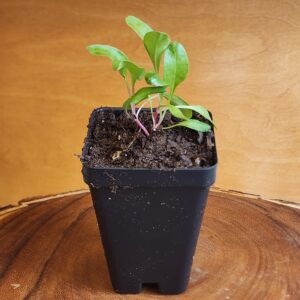
Lettuce (Loose Leaf) – Red Sails – Organic – Seedling

$3.00

In stock

Special Range Discount
Buy 4 or more – Save $0.50 per plant 4 + $0.50 flat
This item is selling fast!

🌱 Plant Special: All seedlings are $3 each or 4 for $10. Mix and match varieties — discount automatically applied in cart.

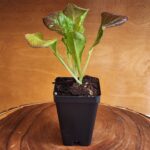
Lettuce Loose Leaf Red Sails Seedling in 2.5" black pot at Evermoon Acres
Lettuce (Loose Leaf) – Red Sails – Organic – Seedling
$3.00

The Heat-Tolerant Beauty for Florida Successions

In the world of home-grown greens, Red Sails Lettuce stands out as an award-winning heirloom that defies the typical limitations of Florida gardening. While many lettuce varieties are notorious for “bolting” (going to seed) the moment the Florida sun intensifies, Red Sails is celebrated for its exceptional heat tolerance. At our nursery, we cultivate these organic seedlings to provide you with a high-performance leaf lettuce that maintains its buttery texture and sweet flavor long after other varieties have turned bitter.

Characterized by its ruffled, bronzy-red fringed leaves and a deep green heart, Red Sails is as much a visual masterpiece as it is a culinary staple. We’ve carefully hardened these seedlings to ensure they are ready for the transition into your garden beds, hydroponic systems, or patio containers. Whether you are planting in the bright light of early spring or the mellow sun of autumn, these starts provide an immediate “pop” of burgundy color to your edible landscape.

A Reliable Performer in Variable Temperatures

Florida gardeners face a unique challenge: “False Springs” and sudden temperature spikes. Red Sails has been an All-America Selections winner precisely because of its resilience. It stays slow-to-bolt, meaning it remains in the “leaf production phase” for much longer than Romaine or Iceberg types. This makes it the perfect candidate for succession planting throughout much of the year.

By integrating fresh seedlings from our nursery every few weeks, you can ensure a “perpetual salad bowl.” Red Sails doesn’t require a long, cool season to reach maturity; it grows rapidly, allowing you to harvest baby greens in as little as two to three weeks after transplanting. This fast turnaround is essential for navigating the windows of opportunity in our local climate.

The “Cut-and-Come-Again” Garden Strategy

One of the primary benefits of a loose-leaf variety like Red Sails is that it does not form a tight head. This allows for a continuous harvest method. Rather than pulling the entire plant, you can simply snip the outer, most colorful leaves as needed. The plant will continue to grow from the center, providing a steady supply of fresh, organic lettuce for your kitchen.

Because Florida’s sandy soils can dry out quickly, we recommend planting your Red Sails seedlings in soil enriched with organic compost or high-quality potting mix. Keeping the soil consistently moist is the secret to maintaining that tender, non-bitter leaf. In our higher-UV environment, providing these seedlings with a bit of afternoon shade can further extend their productive life, keeping the vibrant red pigments deep and the flavor mild.

Culinary Profile: Gourmet Texture and Nutrition

In the kitchen, Red Sails is a favorite for its “crumbled” texture, which is excellent at holding dressings and vinaigrettes. It provides a soft, buttery crunch that is superior to store-bought bagged salads. Nutritionally, the red pigments (anthocyanins) in the leaves indicate a higher level of antioxidants than standard green lettuces, making it a healthy powerhouse for your family. Because our seedlings are grown 100% organically, you can harvest your salad and serve it immediately, knowing it is free from synthetic pesticides and chemicals.

Why Buy Local Nursery-Grown Lettuce Starts?

Lettuce seeds are tiny and can be difficult to germinate in the Florida heat. By purchasing our established Red Sails seedlings, you bypass the most fragile stage of the plant’s life. Our starts arrive with a vigorous root system and a sturdy “head start,” allowing you to begin harvesting your own organic salads almost immediately. Visit us at the nursery today to see the vibrant reds of our current batch and start your own high-yield salad garden!
Plant Information

🌿 Plant Profile
Get to know your plant! This section covers the visual characteristics, growth habits, and regional heritage of this variety, helping you choose the perfect look for your landscape or food forest.
Native Status

Introduced / Non-Native

Native Regions

Non-US (Global)

Florida Ecosystem

Prairies

Seed & Plant Heritage

Cultivar, Non-GMO, Open-Pollinated (OP), Organic Certified

Growth Habit

Bush, Upright

Plant Height

9" – 12"

Plant Width

9" – 12"

Foliage Color

Bronze / Copper, Burgundy / Maroon, Green, Red

Flower Color

Yellow

Fall Color

Burgundy / Maroon, Green, Red

IS Perennial

Annual (One growing season)

Foliage Type

Deciduous

Food Forest Layer

Herbaceous Layer, Soil Surface (Groundcover)

☀️ Climate & Environment
Ensure a perfect match for your yard. Here you'll find the specific sunlight, soil, and temperature requirements needed to help this plant thrive.
USDA Zones

Zone 10a, Zone 10b, Zone 11a, Zone 11b, Zone 2a, Zone 2b, Zone 3a, Zone 3b, Zone 4a, Zone 4b, Zone 5a, Zone 5b, Zone 6a, Zone 6b, Zone 7a, Zone 7b, Zone 8a, Zone 8b, Zone 9a, Zone 9b

Light Requirements

Full Sun, Partial Shade

Daily Sunlight

4–6 Hours (Partial Sun), 6+ Hours (Full Sun)

Watering Frequency

Daily, Every Other Day

Watering Amount

.5 gallon per hour

Temperature Tolerance

High Heat Tolerant (Thrives in 90°F+), Semi-Hardy (Light Freeze – 28°F to 32°F), Tender (Frost Sensitive – 32°F to 40°F)

Soil Type

Loamy Soil, Poor Soil OK, Sandy Soil, Well-Draining Soil

Soil PH

Acidic Soil (5.5 – 6.5), Neutral / pH Balanced (6.5 – 7.5)

Preferred Soil Moisture

Medium Water Needs, Moist Soil Preferred

Mulch Preference

Leaf Litter / Self-Mulching, Pine Bark / Pine Straw

Chill Hours Required

0 – 100 Hours

Daytime Temperature

60°F – 65°F (Cool), 65°F – 70°F (Mild), 70°F – 75°F (Mild), 75°F – 80°F (Warm)

Night Time Temperature

32°F – 50°F (Cold), 50°F – 55°F (Cool)

🌱 Sowing & Planting Guide
Timing is everything. Use these professional spacing and depth specifications, including Florida-specific planting windows, to give your seeds and transplants the best possible start.
Indoor Start Frost Offset

2–4 Weeks Before, 6–8 Weeks Before

Outdoor Plant Offset

4–6 Weeks Before Last Frost

Planting Window (North FL)

December, February, January, March, November, October, September

Planting Window (Central FL)

December, February, January, November, October, September

Planting Window (South FL)

December, January, November, October, September

Days to Germination

10 days, 3 days, 4 days, 5 days, 6 days, 7 days, 8 days, 9 days

Germination Temperature

65°F – 70°F (Mild), 70°F – 75°F (Mild)

Germination Humidity

60% (Standard), 65% (Standard)

Germination Light

Needs Light to Germinate (Surface Sow)

Planting Depth

1/8", Surface Sow

Plant Spacing

10" – 12", 6" – 8"

Row Spacing

12", 18" – 24"

Square Foot Gardening (SFG)

16 per square, 4 per square

Garden System

Container / Grow Bag, Hydroponic / Aquaponic, In-Ground (Rows), Raised Beds, Square Foot Gardening, Vertical Gardening

🩺 Care & Maintenance
Keep your garden thriving year-round. This guide provides the essentials on feeding, pruning, and pollination to ensure your plants stay healthy and productive through every season.
Growing Cycle

Cool Season (Winter), Shoulder Season (Spring/Fall)

Pruning Instructions

Sanitary Pruning, Thinning

Fertilization Schedule

At Planting Only, Bi-Weekly, Monthly

Fertilizers

Balanced NPK, Nitrogen (N) Focused, NPK + Micronutrients

Pollination Requirements

Self-Fertile / Self-Pollinating

Flowering Months

April, June, May

Pollinator Type

Low Pollinator Value

🐛 Ecology & Pest Management
Garden with nature in mind. Discover which beneficial insects this plant attracts, which pests it repels, and how to manage common garden challenges using eco-friendly strategies.
Attracts (Beneficials)

Bees (Honey & Native), Birds (Seed/Insect Eaters), Butterflies (Nectar Source)

Repels (Pests)

None Provided

Pest Resilience

Deer Candy (Not Resistant), Susceptible, Tolerant

Common Pests

Aphids, Caterpillars, Grasshoppers / Lubbers, Leafminers, Slugs / Snails, Thrips, Whiteflies

Pest/Disease Management

Bacillus thuringiensis (Bt), Diatomaceous Earth, Insecticidal Soap, Neem Oil, Potassium Bicarbonate, Pyrethrin

🍴 Harvest, Kitchen & Storage
From garden to table. Everything you need to know about when to harvest, which parts are edible, and how to store or preserve your homegrown bounty for the best flavor and freshness.
Edibility Status

Edible (Primary Crop)

Edible Parts

Flowers, Leaves, Stems, Young Leaves

Days to Harvest from Seed

45 days, 46 days, 47 days, 48 days, 49 days, 50 days, 51 days, 52 days, 53 days, 54 days, 55 days

Harvest Season

Fall–Spring Harvest, Fall–Winter Harvest, Winter–Spring Harvest

Culinary Use

Garnish / Edible Flower, Leafy Green / Salad

Storage Method

Refrigerate (High Humidity)

Days of Freshness

10 days, 7 days, 8 days, 9 days

Preservation Method

Dehydrating, Freezing

Days to Leaf Maturity

25 days, 26 days, 27 days, 28 days, 29 days, 30 days

🫘 Propagation & Seed Saving
Close the loop on your garden's lifecycle. Learn the best methods for collecting seeds and propagating new plants to ensure your garden continues to grow for years to come.
Propagation Methods

Direct Sow, Transplant (Indoor Start)

Seed Collecting Method

Dry Pod / Seed Head, Hand-Stripped, Threshing / Winnowing

Seed Life Span

3 Years (Strong), 4–5 Years (Long-Lived)

Days to Seed Maturity

80-100 days